


Latest Post
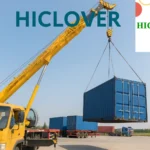
Innovative Solutions in Waste Management: HICLOVER Waste Incinerators
Innovative Solutions in Waste Management: HICLOVER Waste Incinerators
Introduction to HICLOVER Waste Incinerator Operations
The HICLOVER **waste incinerator** operates by harnessing advanced engineering principles to achieve optimal thermal treatment of waste. Designed to meet international industrial standards, these systems maintain combustion temperatures ranging from 850°C to 1100°C. This high-temperature range ensures effective destruction of various waste types, including those generated in **Central African waste incinerator** environments. The design incorporates dual combustion chambers, which enhances the retention of heat and guarantees complete combustion, crucial for meeting stringent regulatory frameworks established by organizations such as the WHO and EU emission standards.
Technical Features and Economic Considerations
HICLOVER’s incinerators can be categorized into fixed and containerized systems, allowing for flexible deployment. The choice between PLC automation and manual control impacts operational efficiency. The integration of advanced scrubber systems—either wet or dry—ensures that the release of emissions is minimized. These incinerators are particularly suitable for remote locations, such as **Mauritania’s smart ash incinerator** systems or **Lesotho’s cattle incinerator** applications, where traditional waste management infrastructure is lacking. Their mobile, modular design allows for rapid deployment in crisis zones or humanitarian camps, facilitating a robust response to waste challenges.
Supply Chain and Customization Capabilities
HICLOVER stands out in the market due to its direct factory supply model, ensuring a stable supply chain and customizable chamber volumes to cater to varying waste management needs. With extensive engineering experience, HICLOVER not only focuses on **energy recovery systems** but also emphasizes compliance with **ESG standards**, aligning with global trends in carbon emission reduction and environmental sustainability. For further details regarding specifications and designs, stakeholders can visit HICLOVER’s official website.
Conclusion
Investing in HICLOVER waste incinerators represents a commitment to innovative waste management solutions. These systems not only adhere to regulatory standards but also adapt to modern technological trends, reinforcing their viability in diverse operational contexts.
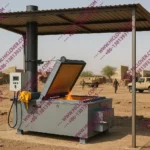
Comparative Analysis of HICLOVER Waste Incinerator Systems: Technical and Practical Insights
Comparative Analysis of HICLOVER Waste Incinerator Systems: Technical and Practical Insights
The HICLOVER waste incinerator represents a sophisticated solution in the category of **waste incinerators** and adheres to stringent industrial standards including precise temperature ranges and engineering reliability. Early performance evaluations focus on **Angola clover medical limited china**, **Sao Tome and Principe incinerator italy**, and **Gambia medical incinerator design** while maintaining compliance with **medical incinerator operating temperature standards**. Technical performance under high temperature retention and combustion principles is confirmed by robust design features, dual combustion chambers and advanced PLC control. Emphasis on engineering precision and digital automation bolsters global infectious disease preparedness, crisis zones & humanitarian camps readiness, and supply chain resilience. Additionally, technical reviews assess **Incinerator container**, **Botswana small incinerator**, **Seychelles pet incinerator deisel**, and **Guinea cheap incinerators**, ensuring that system design respects environmental and regulatory benchmarks.
Technical Specifications and Comparative Analysis
HICLOVER waste incinerators utilize containerized modular

Waste Incinerator as a Frontline Defense Against Viral Outbreaks
Waste Incinerator as a Frontline Defense Against Viral Outbreaks
Managing Infectious Waste in the Era of COVID-19, Nipah Virus, Ebola, and Beyond
From COVID-19 (SARS-CoV-2) to Nipah Virus, Ebola, H5N1 avian influenza, monkeypox (Mpox), and other zoonotic threats, recent years have reshaped how governments, healthcare systems, and industrial operators view infectious waste management. One conclusion is now broadly accepted: without reliable waste incineration, epidemic control is structurally incomplete.
In this context, the waste incinerator has evolved from a supporting facility into a primary biosecurity asset, positioned alongside testing capacity, isolation wards, and vaccination logistics.
Why Viral Epidemics Change Waste Incineration Requirements
During outbreaks, waste volumes surge suddenly and unpredictably. More importantly, the risk profile of waste changes:
-
Virus-contaminated PPE from COVID-19 isolation wards
-
Disposable plastics and testing materials from PCR and antigen labs
-
Animal tissues linked to zoonotic surveillance for Nipah Virus and avian flu
-
Emergency medical waste from temporary hospitals and quarantine camps
-
High-risk biological residues requiring immediate neutralization
Transporting such waste off-site increases exposure risk, delays treatment, and creates secondary contamination pathways. As a result, on-site waste incinerators are increasingly prioritized in outbreak response planning.
For broader industry context, the following reference search is commonly used by procurement teams:
https://www.bing.com/search?q=waste+incinerator+infectious+waste+virus+outbreak
Waste Incinerator = Immediate Destruction, Not Temporary Storage
Unlike chemical disinfection or cold storage, thermal destruction via incineration provides a definitive endpoint. High-temperature combustion breaks viral structures completely, regardless of mutation, strain, or resistance.
This is why international response frameworks increasingly align on incineration-based disposal for:
-
Pandemic medical waste
-
High-risk laboratory by-products
-
Zoonotic animal waste
-
Emergency biohazard materials
The waste incinerator is no longer evaluated only on capacity, but on reliability, controllability, and speed of deployment.
Manufacturer Perspective: Stability Beats Complexity
In epidemic scenarios, buyers do not need experimental systems. They need repeatable industrial equipment delivered by factories that understand export logistics, emergency timelines, and long-term operation.
HICLOVER positions its waste incinerator portfolio around this reality: standardized platforms with configurable options, produced at scale, and supplied directly from the manufacturing source.
This factory-first approach ensures:
-
Shorter delivery cycles
-
Consistent quality control
-
Clear technical responsibility
-
Long-term spare parts continuity
Core Technical Logic of HICLOVER Waste Incinerators
HICLOVER incinerators are designed for real-world epidemic conditions, not ideal laboratory environments. Typical technical characteristics include:
-
Primary + secondary combustion chambers for complete viral destruction
-
Automated burner systems ensuring stable ignition and temperature control
-
PLC-based control logic, minimizing operator exposure
-
High-grade refractory lining suitable for continuous operation
-
Low-smoke and low-odor combustion design, critical near populated zones
-
Modular flue gas treatment options adaptable to local regulations
These features reflect accumulated manufacturing experience rather than one-off customization.
Mobility and Modularity for Emergency Deployment
One defining lesson from COVID-19 field hospitals and Ebola response camps is speed. Waste treatment systems must move as fast as medical infrastructure.
HICLOVER waste incinerators are available as:
-
Containerized mobile incinerators
-
Skid-mounted modular units
-
Plug-and-play systems requiring minimal site work
Fuel flexibility (diesel, natural gas, LPG) allows deployment in remote or infrastructure-limited regions, including border zones and temporary isolation centers.
An overview of factory-supplied incinerator platforms is available at:
https://www.hiclover.com/
Automation as a Public Health Safeguard
During outbreaks, skilled labor shortages are common. Automation therefore becomes a biosafety feature, not merely an efficiency upgrade.
Key automation benefits include:
-
Reduced manual handling of contaminated waste
-
Consistent combustion cycles under fluctuating loads
-
Simplified training requirements
-
Lower operational risk during prolonged emergencies
A well-designed waste incinerator allows healthcare and emergency staff to focus on patients, not equipment troubleshooting.
Expanding Use Cases in a High-Risk World
Beyond hospitals, epidemic-driven demand has expanded waste incinerator applications into:
-
Border quarantine and customs inspection zones
-
Zoonotic disease monitoring stations
-
Temporary medical camps and shelters
-
Research laboratories and vaccine production facilities
In all cases, factory-backed reliability outweighs experimental innovation.
Waste Incinerators as Long-Term Epidemic Infrastructure
Viruses will continue to emerge—whether COVID variants, Nipah spillovers, or unknown zoonotic pathogens. What remains constant is the need for safe, immediate, and controllable waste destruction.
A modern waste incinerator is no longer a contingency asset. It is a permanent component of epidemic preparedness.
By combining industrial manufacturing capacity, automation, mobility, and export-ready design, HICLOVER waste incinerators align with both present biosecurity pressures and future public health strategies.
Résumé en français
Face aux épidémies modernes telles que le COVID-19, le virus Nipah ou Ebola, l’incinérateur de déchets devient une infrastructure essentielle de biosécurité. Les incinérateurs HICLOVER offrent une solution industrielle fiable, automatisée et mobile pour la destruction immédiate des déchets infectieux, avec un soutien direct du fabricant.
Resumen en español
En un contexto de brotes virales como COVID-19, Nipah o la gripe aviar, el incinerador de residuos es una herramienta clave de bioseguridad. Los incineradores HICLOVER, de diseño modular y operación automatizada, permiten una eliminación segura e inmediata de residuos infecciosos, respaldados por suministro directo de fábrica.
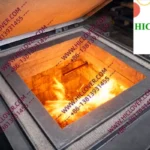
HICLOVER Laboratory Waste Incineration Solution
HICLOVER Laboratory Waste Incineration Solution
(On-Site Volume Reduction | Low Smoke & Odor | Modular & Upgradeable APC)
The HICLOVER Laboratory Waste Incineration Solution is a practical on-site waste disposal option designed for laboratories, hospitals, research institutes, biopharmaceutical R&D centers, and third-party testing facilities. It helps users manage infectious laboratory waste, contaminated consumables, disposable PPE, and approved sharps containers through controlled incineration―reducing dependence on off-site transport and improving operational control.
As a professional laboratory waste incinerator manufacturer, HICLOVER provides reliable systems for customers searching for laboratory waste incinerator, biohazard waste incinerator, infectious waste incineration, and on-site laboratory waste disposal solutions.
Typical Waste Streams (Incinerable Laboratory Solid Waste)
This solution is suitable for common incinerable laboratory solid waste, such as:
Contaminated disposable consumables: gloves, masks, protective clothing, wipes
Bio-contaminated solids: Petri dishes, culture residues (solid / semi-solid), sample outer packaging
Contaminated packaging and soft plastics: plastic bags, films, cartons
Sharps waste (loaded only in approved puncture-resistant sharps containers)
Note: chemical solvents, heavy metals, and radioactive waste must be strictly segregated and are not recommended for conventional incineration.
Key Design Focus for Laboratory Waste Incineration
To address fluctuating laboratory waste composition and odor/smoke concerns, the HICLOVER system is configured with a stable combustion concept emphasizing:
Stable ignition and controlled burning for mixed waste loads
Reinforced secondary oxidation to reduce visible smoke and odor
Optimized airflow management for consistent performance
Optional PLC control and safety interlocks for easier operation and better repeatability
Fuel options may include diesel, natural gas, or LPG, depending on local availability and customer preferences.
Modular Configuration & Upgradeable Air Pollution Control (APC)
HICLOVER offers flexible configuration packages to match different compliance expectations:
Basic deployment for small labs and remote sites
Compliance-enhanced options with improved flue-gas cooling/washing (optional wet scrubbing)
High-standard solutions with multi-stage APC combinations (dry/wet options) for stricter permitting or audit requirements
This modular approach supports customers seeking an upgradeable laboratory waste incineration system with clear expansion potential.
Applications (Where It’s Used)
Hospital laboratories and clinical testing departments
Research institutes and university laboratories
Pharmaceutical and biotech R&D centers
Third-party testing and inspection laboratories
Remote sites requiring on-site biohazard waste disposal
Why HICLOVER
With modular deployment and compliance-ready design logic, HICLOVER helps customers achieve safe laboratory waste disposal, improved operational control, and reduced logistics burden―especially where reliable off-site treatment is costly or unpredictable.
If you are evaluating a laboratory waste incinerator, biohazard waste incinerator, or a scalable infectious waste incineration solution, HICLOVER can provide customized capacity ranges and configuration packages for your project.

Medical Waste Incinerator Technical Documentation for Hospital Projects in Ghana
Medical Waste Incinerator Technical Documentation for Hospital Projects in Ghana
Hospital waste management teams often begin their search not with equipment brands, but with technical documentation. For public hospitals, regional facilities, and EPC contractors, documentation defines whether a medical waste incinerator can be reviewed, approved, installed, and operated safely within an existing healthcare environment. In Ghana, where infectious waste, sharps, and pharmaceutical residues form the bulk of hospital waste streams, clear and structured technical information is a practical requirement rather than a formality.
For many procurement teams, searches related to medical waste incinerator technical documentation Ghana are driven by the need to understand system configuration, operating logic, and maintenance expectations before any procurement decision is considered.
Why Technical Documentation Matters in Hospital Waste Projects
In daily hospital operations, waste handling is closely tied to infection control and staff safety. Incineration remains a commonly adopted treatment method because it provides immediate volume reduction and pathogen destruction on site. However, decision-makers are typically cautious about emissions, operational complexity, and long-term reliability.
Technical documentation serves several purposes:
-
It allows hospital engineers to evaluate combustion logic and temperature control.
-
It supports project review by ministries, NGOs, or donor-funded programs.
-
It helps operators understand daily routines, safety interlocks, and maintenance intervals.
Without adequate documentation, even a technically sound incinerator can be difficult to approve or operate.
Core System Description Commonly Reflected in Documentation
Dual-Chamber Combustion Layout
A standard section in medical waste incinerator documentation describes the dual-chamber structure. The primary chamber is dedicated to direct combustion of medical waste, typically operating around 850 °C. This chamber is designed for batch or semi-continuous feeding, depending on hospital scale.
The secondary chamber is positioned downstream to re-burn flue gases generated from the first stage. Operating temperatures may reach approximately 1100 °C, supporting further oxidation of volatile compounds. This configuration is commonly adopted for hospitals to reduce visible smoke and residual odors associated with incomplete combustion.
Such layouts are designed in line with common healthcare waste management practices rather than site-specific experimentation.
Temperature Control and Combustion Stability
Technical documentation usually places strong emphasis on temperature stability. Burner selection, refractory lining, and airflow control are described together, explaining how steady thermal conditions are maintained during operation.
For hospitals facing intermittent power supply, diesel-fired systems are frequently specified. Documentation clarifies how fuel-based burners maintain consistent heat input independent of grid reliability, which is a practical consideration in many regions of Ghana.
Automation Logic and PLC Control Description
Another key section of medical waste incinerator technical documentation covers automation. PLC-based control systems coordinate burner ignition, temperature monitoring, alarm handling, and safety interlocks.
From an operator’s perspective, this reduces reliance on constant manual adjustment. From a project review perspective, it demonstrates that the system follows a structured operating sequence suitable for small hospitals, clinics, and regional facilities with limited technical staff.
Documentation typically includes control philosophy descriptions, alarm lists, and basic operation flow charts rather than software source code.
Flue Gas Treatment Options Explained in Project Documents
Hospitals vary widely in size and budget, and documentation often presents flue gas treatment as a modular option. Dry treatment systems using alkaline materials are commonly described as baseline configurations, offering acid gas neutralization with relatively low maintenance requirements.
For projects with higher emission control expectations, wet scrubber systems may be outlined as optional modules. These sections explain functional principles―such as quenching, washing, and particulate removal―without claiming absolute regulatory compliance, allowing project owners to align configurations with local review requirements.
Matching Documentation to Hospital Scale
Well-prepared documentation differentiates between applications:
-
Small hospitals and clinics typically review compact units with manual feeding and limited throughput.
-
Regional hospitals often require systems suitable for extended daily operation.
-
Teaching hospitals may request more detailed operational descriptions to support staff training.
By presenting system capacities, duty cycles, and maintenance routines clearly, documentation helps procurement teams compare options without relying on marketing language.
HICLOVER Documentation Approach as a Manufacturer
HICLOVER operates as a manufacturing factory supplying standardized medical waste incinerator models for export markets. Its technical documentation packages typically include general arrangement drawings, process descriptions, operating manuals, and maintenance guidance aligned with commonly adopted hospital configurations.
Export experience allows documentation to be structured for remote review, supporting EPC contractors, NGOs, and hospital engineers conducting technical assessments through English-language searches. Reference materials and system overviews are available through the official website:
https://www.hiclover.com/
This documentation-focused approach is intended to support project evaluation and long-term operation rather than short-term procurement decisions.
Practical Focus for Hospital Decision-Makers
When reviewing medical waste incinerator technical documentation in Ghana, stakeholders often look beyond capacity figures. Clear explanations of combustion stages, automation logic, emission control options, and maintenance routines are central to confidence in daily operation.
For hospitals and project teams relying on English-language technical searches, structured and transparent documentation remains a key step in selecting an incineration solution that can be realistically operated within existing healthcare constraints.